|
FRIEND OF FRIEND
/ THE WEEKLY
|
VOL. 14
· 2026
|
RISK-INTELLIGENCE FOR SMALL-BUSINESS INSURANCE
· VOL. 14, WEEK OF NOVEMBER 9, 2026
· ONE ARGUMENT, TWO BRIEFS
· 5-MINUTE READ
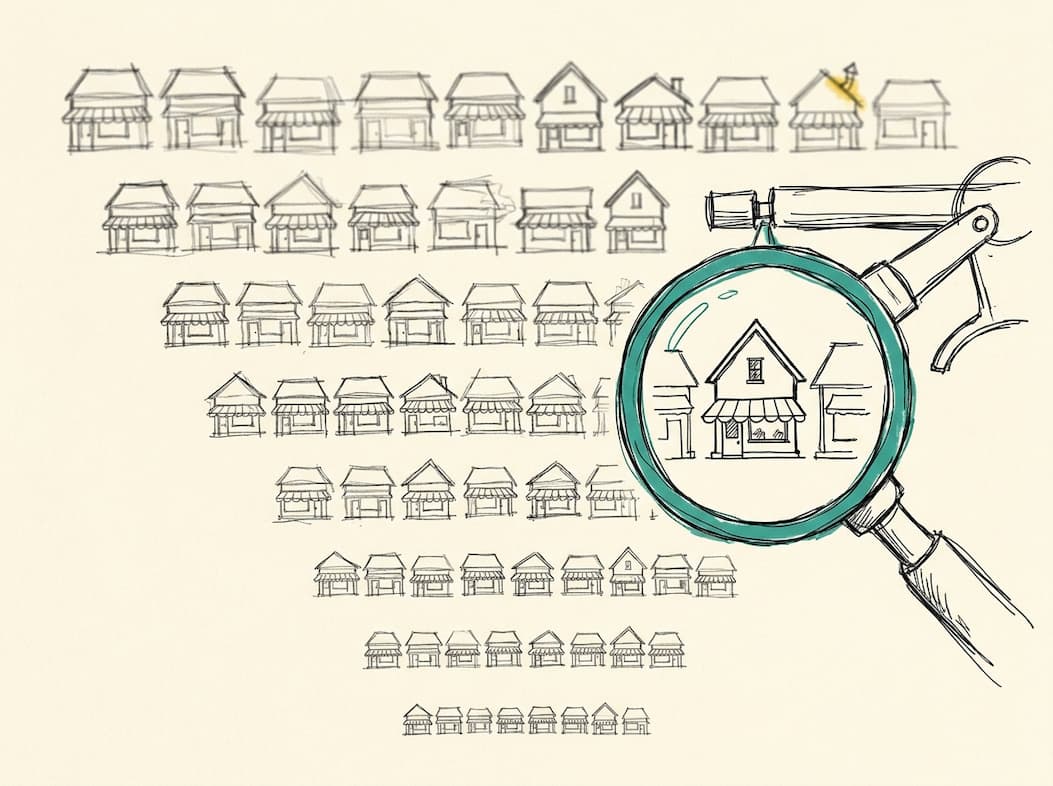
Big Capital funded the last market. Judgment about one risk at a time is what insurers are paying for now.
|
IN THIS ISSUE
|
•
|
The one to discuss. In the space of two days Guidewire paid $1.7 billion for software that helps an underwriter price a single risk, and Verisk piped property-level hail and wind history into the AI assistants underwriters now type into. The money is moving from capital for a whole portfolio to judgment on a single risk, and individualized judgment is the one thing the storefront is rarely, fairly priced with.
|
|
•
|
Travelers now quotes a small shop's workers' comp from a photo of the paperwork, in about half the time, because 54% of small-business agents lose a quarter of their day to typing.
|
|
•
|
California is choosing its next insurance commissioner between two plans that disagree on nearly everything except this: the single house should pay for its own risk, not its ZIP code's.
|
|
FROM THE DESK
Four things happened inside ten days that belong side by side. A software company paid $1.7 billion for a tool whose only job is to help an underwriter price one risk at a time. Verisk started piping property-level hail and wind storm history into the A.I. assistants underwriters now type into. Travelers built a quoting tool for small shops that reads the paperwork so a still human agent does not have to. And on Tuesday the largest insurance market in the country voted for a commissioner, with both candidates promising, by different routes, to make a house pay for its own fire risk rather than its neighborhood's. The first three of these developments are the insurance industry buying the ability to see a single risk separate from its peers. The fourth is the voters noticing something isn’t aligned. That gap, between the judgment the industry is now paying real money for and the class-average bill the storefront still gets, is the whole reason Friend exists, and this was a week it got visibly wider.
NEWCOMBE · FOUNDER, FRIEND · NEW YORK
BY THE NUMBERS
|
$1.7B
Guidewire's cash price for hyperexponential, underwriting and pricing software, plus up to $400M more on targets
|
$75B
Annual commercial premium already priced with hyperexponential's software, the pricing brain Guidewire just bought
|
54%
Small-business agents who spend at least a quarter of the workday on manual data entry, per Travelers' August survey
|
52%
Jane Kim's share in the still-uncalled race for California insurance commissioner, on a plan to price each home on its own fire risk
|
|
THIS WEEK · THE ONE TO DISCUSS
|
THE ARGUMENT · FIG. 01
|
|
For three years the story of commercial insurance was big, aggregated capital: how much reinsurance there was to transfer pooled risk, what it cost to transfer it, and who could deploy that transfer capacity. In the last two weeks the money moved somewhere else interesting. Guidewire paid $1.7 billion for software whose whole job is to help an underwriter price a single risk, and a day later Verisk piped property-level hail and wind history into the AI assistants underwriters now use. The machinery to price the individual risk rather than the cohort as a whole is being bought, not built, and the new tech and data tools are arriving faster than the rate cycle is catching up.
The tell: $1.7 billion for an AI-augmented pricing brain
On October 27th, Guidewire, the company that runs the insurance policy issuance and admin systems of many big carriers, agreed to pay $1.7 billion in cash, and up to $400 million more on revenue targets, for hyperexponential, a London firm that makes underwriting and pricing software for commercial lines. The product does not issue policies nor pay claims. It helps an underwriter take a submission, assess the risk, price it, steer the overall portfolio of risks, and it already technically supports more than $75 billion of annual commercial premium. Guidewire's own phrase for what it is buying is "agentic underwriting," AI agents that work beside underwriters and actuaries to price risk and make decisions. The founder put it more plainly: underwriting judgment "is the highest-leverage work insurers do." This is one of the biggest insurance software deals of the year so far, and it bought risk judgment, not transfer capacity.
The plumbing is going address-level
The next day Verisk, the insurance industry's data utility, pushed its ISO loss costs, the benchmark prices most carriers rate from, into Amazon's and Microsoft's AI assistants, and added a connector inside Claude that hands an underwriter the property-level hail and wind storm history for a specific address. Read those two announcements from two of the biggest industry suppliers together. One, Guidewire, invests heavily in the underwriter judgment layer, the other, Verisk supplies the individualized facts about each building that the judgment needs. Both now sit in the same AI application tab the underwriter probably already has open. The binding constraint on pricing a single risk has never been the lack of will to do it but rather the hours it took. That constraint is now being engineered away with funding and industry clout big enough to matter.
What it means for the storefront
Look at the Exhibit. On October policy renewals the insurance lines that still price a small business by its class, the package, the property and the umbrella, rose 5% to 6%, while the one line that already prices each employer on its own payroll and claims, workers' comp, fell again. The judgment the industry is now paying for with these investments is the thing that moves the other cohort priced lines into that second column of individualized risk assessment. The capital era made cover broadly available; the judgment era decides who pays what, and a corner restaurant or a two-bay auto shop are some of the hardest risks to judge one at a time, which is exactly why it is still billed as a class. The tools bought in the last ten days may have been built for big commercial accounts first. The storefront is where they might ultimately matter most.
|
THE EXHIBIT
October renewals, line by line: the class-priced lines rise, the one priced to the individual falls.
Average premium change at renewal, October 2026, from the Ivans Index of agency-system transactions. In teal: the storefront's package (BOP) and the one line already priced to each employer (workers' comp). Workers' comp is a decrease; its bar is drawn to scale.
|
BIGGER RENEWAL CHANGE →
|
|
Umbrella
|
|
|
Commercial property
|
|
|
Business owner's policy
|
|
|
General liability
|
|
|
Commercial auto
|
|
|
Workers' comp (a decrease)
|
|
|
0
|
Source: Ivans Index, October 2026 results (5 November 2026). September figures for comparison: umbrella 6.40%, property 5.11%, BOP 5.45%, GL 3.19%, auto 3.29%, workers' comp -1.14%. Bars to scale by size of change.
|
|
|
THE FRIEND READ
Put October's numbers on a real bill. A restaurant paying $12,000 for its package renews at the BOP rate and writes a check for about $625 more. The same restaurant's $8,000 workers' comp policy, the one line that already reads its own payroll and its own claims, comes back about $116 cheaper. One line can see the business as singular and gives money back; the others cannot and keep taking as part of a whole. The $1.7 billion Guidewire just spent is a bet that the first kind of individualized pricing is about to spread, and the whole of what Friend is building is the read on the specific shop, Green, Yellow or Red, that lets it spread to the storefront instead of stopping at the accounts big enough to afford an underwriter's afternoon.
|
GUIDEWIRE AND HYPEREXPONENTIAL · VERISK · IVANS INDEX · FRIEND ARITHMETIC (ILLUSTRATIVE)
THE JARGON, TRANSLATED
Agentic underwriting
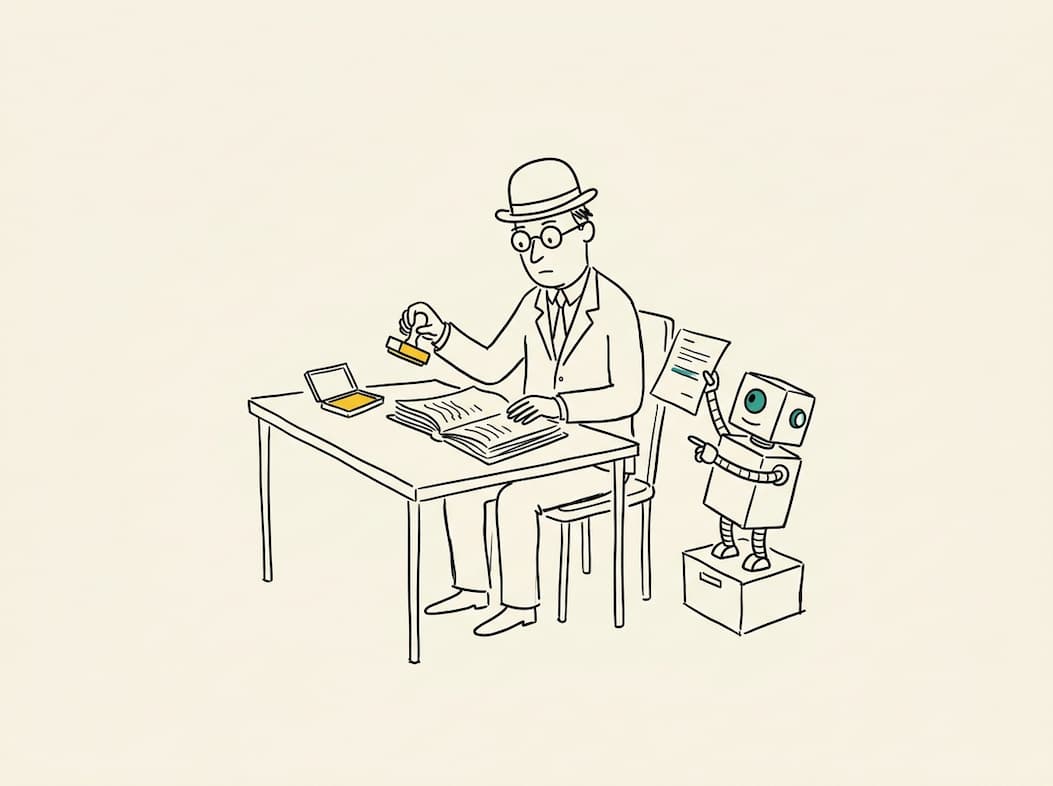
AI agents that sit beside an underwriter, read a submission, pull the data, price the risk and recommend a decision, with a human still signing it. The point is not just speed. It is efficient, verifiable judgment about one risk that can still be checked, line by line, by the person and the regulator.
|
|
ALSO THIS WEEK · THE BRIEFS
|
TWO DEVELOPMENTS
|
|
|
DISTRIBUTION
/ SMALL COMMERCIAL
· UNITED STATES
BUSINESS WIRE · TRAVELERS SMALL COMMERCIAL · 26 OCTOBER 2026
Travelers launched Travis Upload & Go, a tool that lets an independent insurance agent start a small-business workers' comp policy quote by uploading an ACORD form, an industry questionnaire, or even a page of handwritten notes. The system reads the documents, fills the account and policy fields, runs the eligibility checks and returns a bindable quote in roughly half the usual time. The carrier's August survey of more than 150 small-business agents found 77% rank manual data entry among the most time-consuming and least valuable parts of the job, and 54% spend at least a quarter of the workday on it.
|
|
THE FRIEND READ
The economics of a small business account are brutal for the agent, not just the carrier. A $1,500 workers' comp policy pays maybe $150 in commission, and an hour of re-keying an ACORD form eats a third of it, which is why the smallest shops get the least attention at renewal. Reading the paperwork by machine gives that hour back. Notice which line Travelers chose to do it on: workers' comp is the one coverage already priced to the individual employer, through the experience modifier, so a faster quote there is also a fairer one. On the package and the liability, where pricing isn’t always as individualized, faster still just means faster to the class rate.
|
|
|
REGULATION
/ THE ELECTION
· CALIFORNIA
SAN FRANCISCO STANDARD · CALIFORNIA SECRETARY OF STATE RETURNS · 3 TO 4 NOVEMBER 2026
The race to succeed Ricardo Lara as insurance commissioner of the largest insurance market in the country was still uncalled on Wednesday, with Jane Kim, a former San Francisco supervisor, leading state senator Ben Allen by about 265,000 votes, 52% to 48%, and a large number of ballots uncounted. Kim wants a state-run disaster program that lifts wildfire out of private homeowners policies and charges each home a premium based on its own fire risk, plus a capped statewide levy in bad years. Allen wants to keep the private market and speed it up: rate reviews in months rather than years, building on Lara's rules that let catastrophe models and reinsurance costs into filings, and a state loan program for home hardening. Nationally, Democrats took both chambers of Congress on Tuesday; trade groups expect affordability oversight, a harder road for litigation-funding reform and no change on tariffs.
|
|
THE FRIEND READ
Strip out the politics and the two platforms share a premise the industry spent decades resisting: the house, not the neighborhood, should carry its own number. Kim gets there with a public program that rates each home on its own risk; Allen gets there by letting the private market's models into the filing faster. For a California shop owner paying $4,000 for a wildfire-exposed building, the difference between being priced on the ZIP code and on the building is easily a fifth of the bill, call it $800 a year, in either direction depending on which kind of operator you are. The commissioner also signs off on every commercial property and package filing in the state, so whoever wins decides how quickly that same, per-building logic reaches the storefront's policy, not just the home next door.
|
|
THE WEEK, IN ONE LINE
Capital is cheap again and judgment is suddenly expensive; the open question for 2027 is whether the carriers now buying the enhanced tools will point them at the small storefront or stop at the accounts that can afford an underwriter's AI-enhanced afternoon.
|
ASK FRIEND
A reader question, monthly
|
Reply to this note with the insurance question you would be slightly embarrassed to ask your broker. The first issue of every month answers one of them in plain language. "Why did my workers' comp go down while my package went up?" is exactly the kind we want. No names, no follow-up sales call, and if the honest answer is "nobody looked," we will say that.
|
ON THE CALENDAR
|
EARLY DECEMBER
|
The Ivans Index for November. One thing we are watching: whether the package and property lines finally follow auto and umbrella down, or stay the storefront's stubborn pair.
|
|
11 DECEMBER
|
Two deadlines on one day. California's secretary of state certifies the election, which settles the commissioner's race if the count has not already. And the National Flood Insurance Program's authorization lapses unless the outgoing Congress extends it.
|
|
JANUARY 2027
|
A Democratic House and Senate convene, with insurance affordability on the oversight list; the new California commissioner takes office; and Travelers and The Hartford report the fourth quarter. Early in the year Guidewire expects to close the hyperexponential deal, and its first roadmap will say whether "agentic underwriting" is aimed at the big account or the small one.
|
SOURCES
Guidewire to acquire hyperexponential for $1.7 billion, company announcement, 27 Oct 2026 ·
Verisk brings loss costs and property-level weather history to AI assistants, 28 Oct 2026 ·
Ivans Index, October 2026 results, 5 Nov 2026 ·
Travelers launches Travis Upload & Go for small-business workers' comp, via Business Wire, 26 Oct 2026 ·
California insurance commissioner race, Kim and Allen, via the San Francisco Standard, 3 Nov 2026 ·
California Secretary of State, insurance commissioner returns, Nov 2026 ·
Midterms reshape the insurance agenda as Democrats take Congress, via Insurance Business, 4 Nov 2026
|
FRIEND IS RAISING A SEED ROUND
We're building the risk-intelligence layer for small-business insurance.
The Green, Yellow, and Red score that tells a careful operator from a careless one, so a carrier can stay and price the block instead of leaving it. If you want the full plan, or you just want to learn more, reach us at
newcombe@friendanalytico.com, or simply reply to this note. Whether you are thinking about investing or only want to learn more, either is welcome.
|
|
Clarity is the product.
EVERY BUSINESS IS A CROSS-SECTION
· CLARITY IS THE PRODUCT.
A weekly read on small-business insurance from Friend, which builds the score that tells a careful operator from a careless one. You're getting it because you're close to us; if we've read something wrong, reply and say so, the more brutal the feedback the better.
Why you're reading this, in full →
Got this from a friend? Tap Subscribe to get it yourself. Want to pass it on? Forward to a friend opens a ready-to-send note with the signup link.
|
Friend Analytico INC. · 236 Livingston St., New York NY 11201, United States
|
|
|